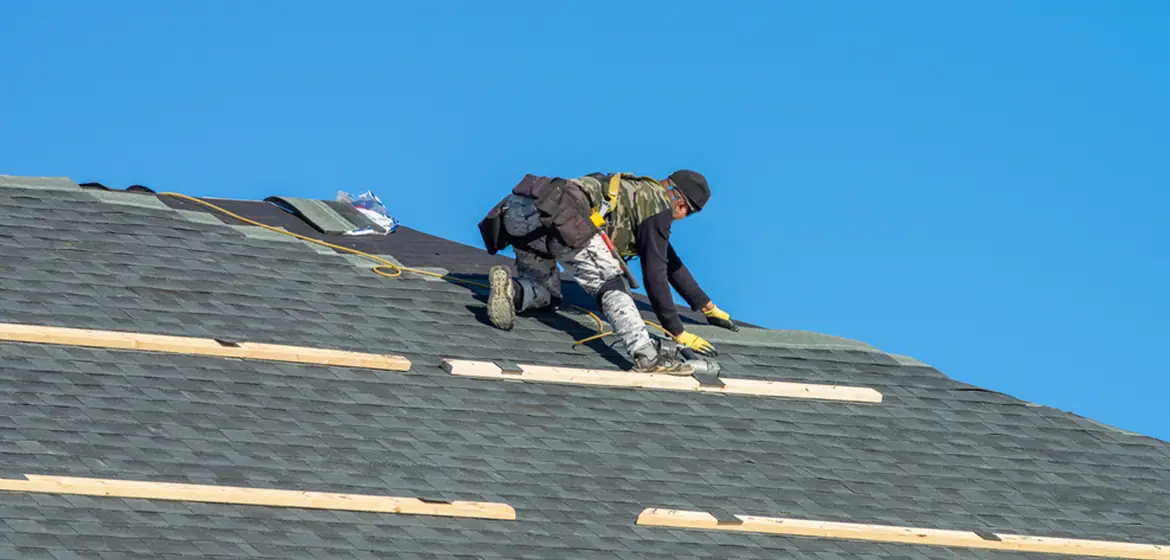
How To Avoid Roofing Material Damage Preventing Structural Decay And Surface Breakdown
Roofing materials undergo persistent mechanical, thermal, and chemical stress from the exact moment installation finishes. Protecting building envelopes against physical breakdown requires an understanding of how atmospheric forces interact with different material substrates. How To Avoid Roofing Material Damage. Solar ultraviolet radiation breaks down binder resins within asphalt matrixes, while freeze-thaw cycles expand microscopic fissures in rigid clay tiles.
Establishing effective preventative measures demands looking past surface symptoms to address underlying systemic vulnerabilities across structural roof decks. Moisture trapped beneath single-ply waterproofing membranes causes polyisocyanurate insulation boards to lose compressive strength over time. Unvented attic spaces trap heat during summer months, cooking sloped shingles from below and causing protective granules to detach rapidly.
Building owners and facility engineers must balance proactive maintenance protocols, structural load management, and microclimate material compatibility carefully. Material damage rarely occurs as an isolated incident; minor flashing separations frequently trigger compounding structural decay across underlying framing. This analytical reference manual provides a detailed technical overview for preserving building envelope integrity across diverse architectural systems.
How To Avoid Roofing Material Damage
Managing Thermal Expansion and Structural Stress Dynamics
Understanding how to avoid roofing material damage begins with controlling mechanical stress caused by fluctuating environmental temperatures. Sunlight heats dark roof membranes to high temperatures, forcing panels and underlayments to expand horizontally across building perimeters. Nighttime temperature drops force materials to contract rapidly, straining mechanical fasteners, soldered flashing joints, and seam adhesives.
Installing sliding expansion clips and flexible elastomeric bridge joints allows materials to move naturally without tearing underlying underlayment sheets.
Preventing Trapped Moisture and Sub-Grade Vapor Saturation
Internal moisture condensation damages structural insulation and deck framing just as severely as external rain intrusion. Moist air rising from interior building spaces condenses on cold deck undersides if vapor retarder barriers lack proper sealing. Trapped moisture saturates thermal insulation boards, accelerating timber framing decay and rusting structural steel decks beneath intact surface membranes.
Designing continuous air barriers and balanced deck ventilation systems exhausts indoor moisture before condensation forms on structural framing members.
Mitigating Foot Traffic Abrasion and Physical Scuffs
Routine service maintenance on rooftop HVAC units subjects underlying waterproofing membranes to repeated physical foot traffic impact. Technicians carrying heavy tool bags drop sharp equipment, scuffing protective mineral granules and puncturing delicate single-ply sheets easily. Dropped tools create microscopic punctures that remain unnoticed until wind-driven rain penetrates underlying insulation layers weeks later.
Laying thick walkway pads along designated inspection routes protects soft waterproofing sheets from dynamic foot traffic impact forces.
Chemical Contamination and Environmental Deposition Control
Industrial exhaust systems, cooking grease vents, and chemical processing flues discharge harmful compounds that degrade surrounding roof materials. Organic animal fats dissolve asphalt shingles and synthetic EPDM rubber sheets, turning firm waterproofing membranes into soft, sticky sludge. Furthermore, airborne industrial acids erode protective metallic coatings on steel panels, exposing bare iron core layers to rapid atmospheric corrosion.
Installing dedicated grease containment traps and chemical-resistant PVC splash pans prevents corrosive industrial discharges from destroying surrounding roof surfaces.
Environmental Forces and the Mechanics of Material Decay
Solar Photo-Oxidation and Polymer Embrittlement
Ultraviolet radiation delivers high-energy photons that break fundamental chemical bonds within bitumen resins and synthetic polymer membranes. Photo-oxidation evaporates light oils from asphalt matrixes, causing surface chalking, micro-cracking, and severe loss of tensile flexibility. As materials harden under sunlight exposure, normal structural expansion forces create deep surface fractures across primary waterproofing barriers.
Applying highly reflective elastomeric coatings reflects UV radiation away from underlying membranes, preserving essential polymer flexibility over decades.
Wind Uplift Mechanics and Pressure Differential Forces
High winds blowing across building roofs create low-pressure air vacuums above, lifting surface membranes away from structural decks below. Positive air pressure escaping through unsealed ceiling voids pushes against membrane undersides, increasing overall uplift forces on perimeter flashings. Loose mechanical fasteners pull out under repeated wind vibrations, allowing wind-driven rain to blow beneath lifted shingle edges.
Executing precise mechanical fastener spacing along roof perimeters secures building envelopes against severe storm uplift forces effectively.
Systemic Frameworks and Physical Degradation Models
The Stress-Strain Fatigue Limit Model
The stress-strain framework evaluates how repetitive thermal expansion cycles weaken roofing materials long before total material yield failure occurs. Every material possesses a specific elastic limit; expanding beyond this threshold creates permanent physical distortion along flashing seams. Repeated thermal flexing induces micro-fractures in metal panels, causing fastener holes to enlarge and invite slow water entry.
Selecting materials with high elasticity margins ensures assemblies absorb thermal expansion cycles without developing structural fatigue cracks.
The Cascading Moisture Intrusive Feedback Loop
The cascading moisture model demonstrates how small surface breaches accelerate widespread structural decay through compounding environmental feedback loops. A minor seam separation admits rainwater, saturating localized polyisocyanurate insulation boards during summer storms. Wet insulation loses structural compressive strength, causing surface membranes to sag and hold deep standing water pools over compromised seams.
Promptly repairing open field seams breaks cascading failure loops before water destroys underlying insulation layers.
The Sacrificial Defense Layer Concept
The sacrificial layer model utilizes consumable surface coverings to absorb harsh environmental stress, protecting primary waterproofing sheets below. Mineral granules on asphalt shingles and liquid reflective coatings absorb intense ultraviolet radiation, eroding gradually over decades.
Replacing worn sacrificial liquid coatings periodically extends the operational service life of primary waterproofing membranes indefinitely.
Substrate Material Profiles and Environmental Stress Limits
Architectural Asphalt Shingle Assemblies
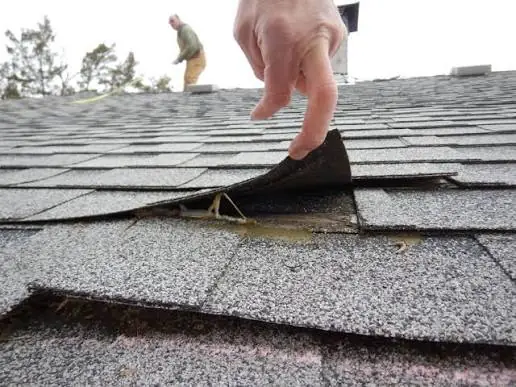
Asphalt shingles rely on protective mineral granules to shield organic bitumen layers from direct solar ultraviolet radiation. Hot attic spaces bake shingles from below, accelerating volatile oil loss and causing shingle corners to curl upwards. Curled shingle edges catch high winds easily, blowing off during severe storms and exposing underlying felts to rain.
Maintaining balanced soffit and ridge ventilation lowers attic temperatures, protecting shingle bitumen layers from heat degradation.
Single-Ply Synthetic Rubber and Thermoplastic Membranes
Single-ply sheets provide continuous waterproofing for flat roofs, yet each polymer formulation exhibits distinct vulnerabilities under severe environmental exposure. Unreinforced EPDM rubber sheets shrink over time, pulling wall flashing strips away from parapet masonry joints under high tension. TPO membranes offer high chemical resistance, but lower-grade formulations crack near hot HVAC exhaust discharges under extreme heat.
Installing heat-deflecting metal baffles near industrial exhaust vents prevents thermal cracking on single-ply TPO surfaces.
Heavy Clay, Cement, and Natural Slate Tiles
Clay, cement, and natural slate tiles deliver exceptional durability, resisting fire, ultraviolet radiation, and biological rot naturally. However, rigid tiles fracture easily under heavy foot traffic, hail impacts, or fallen tree branch strikes on sloped decks. Broken tiles allow rainwater to reach underlying organic underlayment felts, causing hidden wood deck rot beneath visually sound tiles.
Replacing cracked tiles immediately using stainless steel fasteners prevents hidden moisture damage on structural wood decks.
Architectural Standing Seam Metal Systems
Standing seam metal systems resist severe storm winds, utilizing raised interlocking seams to channel heavy rainfall off roof decks. Surface wear affects factory paint finishes first, leading to chalking, fading, and eventual edge corrosion along cut steel panels. Oversized fixed clip attachments restrict natural thermal panel movement, causing fastener hole enlargement and noticeable panel oil-canning distortions.
Utilizing sliding expansion clips allows metal panels to expand freely while maintaining tight waterproof seal connections.
Material Performance and Environmental Vulnerability Matrix
| Material Category | Primary Degradation Mechanism | Critical Stress Point | Thermal Sensitivity | Average Operational Lifespan |
| Asphalt Shingles | Granule erosion & curling | Pipe boots & valley flashings | High (Bakes in unvented attics) | 15–25 Years |
| EPDM Rubber Sheets | Membrane shrinkage & pulling | Parapet wall terminations | Moderate (Maintains elasticity) | 25–35 Years |
| TPO Thermoplastic | UV cracking & weld fatigue | HVAC exhaust drop zones | High (Sensitive to extreme heat) | 20–30 Years |
| Architectural Metal | Finish chalking & edge rust | Fastener penetration holes | High (Expands dramatically) | 40–60 Years |
| Natural Slate / Clay | Impact fracturing & breakage | Fastener corrosion points | Low (Displays high inertia) | 50–100 Years |
Strategic Material Selection Logic
Selecting durable roofing materials requires matching structural building needs with local microclimate hazards and expected building maintenance traffic. Facilities with heavy rooftop HVAC equipment require thick, puncture-resistant PVC or modified bitumen membranes rather than delicate unreinforced EPDM. Residential structures in high-wind zones benefit from heavy multi-ply modified bitumen or interlocking standing seam metal assemblies.
Choosing materials engineered for specific environmental stresses protects capital investments from premature physical damage.
Practical Field Scenarios and Mitigation Logistics How To Avoid Roofing Material Damage
Commercial Building TPO Exhaust Damage Repair
A manufacturing plant experienced TPO sheet embrittlement within four feet of a high-temperature industrial oven exhaust vent. Continuous heat radiation broke down sheet plasticizer compounds, causing surface cracks and winter rain leaks around the duct base. The repair crew installed high-temperature silicone flashing boots and added a polished stainless steel heat shield beneath the vent.
Targeted heat shielding stopped thermal membrane degradation while keeping surrounding functional TPO sheets intact.
Residential Attic Heat Ventilation Upgrade
A suburban home experienced severe shingle granule loss in gutter channels after consecutive summer heatwaves overheated the roof structure. Inspecting the attic revealed blocked soffit vents, which trapped hot air against the underside of the plywood roof deck. Technicians cleared blocked soffit intake paths and installed a continuous ridge vent to lower attic temperatures by thirty degrees.
Restoring proper deck ventilation slowed shingle asphalt baking, extending remaining roof service life significantly.
Historic Stone Slate Fastener Restoration
A century-old municipal building suffered slate tile slippage during winter storms as original iron installation nails rusted through completely. While the slate tiles remained sound, rusted fasteners allowed individual stone tiles to slide down the sloped roof deck. Masons secured loose slates using copper slate hooks and replaced compromised underlayment sections without discarding original stone tiles.
Preserving original slate tiles using non-corrosive copper fasteners saved substantial material replacement costs.
Hospital EPDM Parapet Wall Shrinkage Fix
A medical center experienced perimeter EPDM membrane pulling, which tore wall flashing strips away from parapet masonry joints. Unreinforced rubber sheets contracted over time, exerting strong mechanical force against unanchored wall termination bars along building edges. The remediation crew installed heavy-duty aluminum anchor bars along the roof perimeter to lock the membrane in place securely.
Installing proper mechanical anchorage points stopped membrane pulling forces from damaging wall flashings.
Financial Dynamics, Capital Allocation, and Repair Costs
Balancing Direct Maintenance Costs and Replacement Expenses
Managing facility budgets requires balancing small routine maintenance outlays against escalating capital costs caused by deferred structural repairs. Neglecting minor flashing repairs saves small operational amounts initially, but allows water to destroy expensive thermal insulation boards below. Replacing saturated insulation during total roof tear-offs increases overall capital replacement costs by over fifty percent.
Allocating annual capital reserves for proactive repairs maximizes long-term return on building investments.
Preventive Maintenance Capital Allocation Matrix
| Maintenance Phase | Share of Budget | Primary Target | Financial Risk Factor |
| Semi-Annual Inspections | 10%–15% | Early leak & seam defect detection | Skipping audits invites hidden decay |
| Flashing & Seam Repairs | 30%–35% | Sealing identified water entry paths | Neglect causes insulation saturation |
| Drainage & Scupper Clearing | 15%–20% | Preventing standing ponding water | Blocked drains cause structural overloading |
| Protective Coating Renewal | 30%–40% | Restoring surface UV protection | Exposed substrates accelerate aging |
Diagnostic Tools, Physical Shields, and Support Assemblies
Infrared Thermography and Sub-Grade Moisture Mapping
Infrared thermal imaging cameras detect wet insulation beneath roof membranes by capturing temperature differentials during evening cooling cycles. Water-saturated insulation retains daytime heat longer than dry insulation, appearing as bright warm thermal signatures on camera monitors.
Infrared surveys map wet insulation zones accurately, allowing targeted board replacement without discarding dry roof sections.
Non-Destructive Nuclear Moisture Gauge Testing
Nuclear moisture gauges pass neutron particles into roof sub-assemblies to measure hydrogen ion density associated with trapped water molecules. Electrical impedance meters pass low-frequency signals across surface membranes, measuring electrical conductivity shifts caused by sub-grade moisture presence.
Combining non-destructive testing tools provides precise moisture mapping data across large commercial roof decks.
Electronic Vector Mapping Leak Location
Electronic vector mapping tests non-conductive roof membranes for microscopic pinhole leaks by passing high-voltage electric currents across wet surfaces. Electrical currents ground through underlying steel decks at breach points, pinpointing exact leak locations to within millimeters.
Pre-commissioning electrical testing ensures newly repaired membrane assemblies are completely watertight.
Structural Vulnerabilities and Compounding Hazard Chains
Unaddressed Surface Breaches and Internal Decay Pathways
Unaddressed surface wear follows predictable compounding failure pathways that compromise total building envelope performance over time. Minor membrane cracking admits water, which corrupts insulation boards and reduces overall thermal resistance values significantly. Trapped water accelerates deck corrosion, weakens structural fasteners, and creates indoor air quality hazards through toxic mold proliferation.
Interrupting degradation pathways early prevents minor surface defects from triggering expensive indoor environmental contamination.
Parapet Flashing and Perimeter Attachment Failures
Parapet wall terminations experience high wind uplift forces and intense thermal movement, making them highly vulnerable flashing failure zones. Loose counter-flashing strips allow wind-driven rain to flow directly behind membrane walls, bypassing primary water barriers entirely.
Installing double-tier counter-flashing details provides redundant protection against wind-driven rain intrusion.
Governance, Inspection Protocols, and Maintenance Schedules
Structured Routine Inspection Checklist
Establishing regular maintenance inspection schedules preserves manufacturer warranty coverage and identifies minor wear indicators before active leaks occur.
-
Spring and Fall Drain Audits: Clear leaves, silt, and urban debris from scuppers, strainers, and downspouts to ensure unrestricted water flow.
-
Surface Seam Probe Checks: Walk field lap joints spring and fall, using a blunt probe tool to detect open seam edges.
-
Perimeter Flashing Integrity Checks: Inspect wall termination bars, counter-flashings, and sealant beads for thermal separation or cracking.
-
Rooftop Equipment Interface Audits: Inspect HVAC door latches, duct connectors, and grease containment traps to prevent chemical spills on roof surfaces.
Performance Metrics and Tracking Signals
Predictive Leading and Historical Lagging Metrics
Managing building envelope health effectively requires monitoring both predictive operational signals and historical repair performance metrics continuously.
-
Leading Indicators: Semi-annual seam defect counts, infrared thermal anomaly square footage, drainage clear times, and protective coating thickness logs.
-
Lagging Indicators: Annual leak emergency call-out costs, interior ceiling damage claims, total insulation replacement square footage, and warranty claim payouts.
Widespread Structural Misconceptions
The Myth That Roof Warranties Eliminate Maintenance Needs
A widespread misconception assumes that long-term manufacturer material warranties cover routine wear and tear repairs automatically. Manufacturer warranties protect exclusively against original factory material defects, excluding damage caused by ponding water, uncleaned debris, or neglected seams. Property owners must maintain documented inspection logs to keep manufacturer warranty coverage active over time.
Fulfilling warranty maintenance obligations preserves financial protection against major material defects.
The Misconception About Liquid Coating Repairs
Property owners frequently believe that applying elastomeric liquid coatings can repair severely saturated, structurally failing roof decks permanently. Liquid coatings restore surface solar reflectivity and seal micro-fissures, but they cannot dry out saturated sub-grade insulation boards. Applying coatings over wet insulation traps moisture permanently, accelerating structural deck rot beneath the new surface film.
Performing moisture surveys before applying liquid coatings ensures underlying sub-assemblies are completely dry.
Regulatory Frameworks and Material Considerations
Managing material wear responsibly involves prioritizing non-toxic restoration coatings that lower urban heat island temperatures and extend existing roof lifespans. Restoring functional assemblies avoids unnecessary demolition, keeping tons of non-biodegradable roofing waste out of regional municipal landfills. Utilizing low-volatile organic compound adhesives protects local air quality during repair operations in occupied building environments.
Sustainable maintenance practices balance financial operational needs with broader environmental stewardship goals.
Strategic Conclusion
Learning how to avoid roofing material damage successfully demands a structured approach focused on early diagnostic detection, root-cause thermal mitigation, and timely flashing repairs. Long-term envelope performance depends on combining quality material selection with non-destructive moisture testing, adequate deck ventilation, and regular maintenance protocols. Committing to proactive envelope governance protects structural assets, minimizes capital expenditures, and ensures lasting weatherproofing security across all architectural installations.